
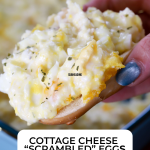
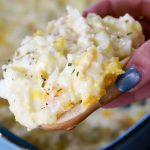
Baked cottage cheese eggs are fluffy, creamy, and scrambled egg-like with 21 grams of protein for just 220 calories per serving.

These cottage cheese eggs are basically creamy scrambled eggs, but baked hands-off in the oven. Just add eggs, feta, cottage cheese, and seasonings to a baking dish, bake until set, and you've got an easy high-protein breakfast or lunch. Each serving, which is one-fourth of the dish, has 21 grams of protein for 220 calories. Dietitian approved!
Honestly, I was getting so sick of the same old eggs over and over again, and this recipe felt like a membership renewal to the egg-loving club. It's kind of a cross between egg salad and scrambled eggs: creamy, fluffy, savory, and so easy to prep ahead. I've been loving it for quick lunches because it's just as good cold as it is hot the next day. I genuinely couldn't wait to share this one with you guys, and bonus, my egg-hating daughter gobbled this up! Let me know if you try it!
Why Cottage Cheese in Eggs?
Cottage cheese directly complements the scrambled egg texture, making them fluffier and creamier. It adds protein without adding extra fat, keeping them high-protein but low-calorie. And while I like to add egg whites sometimes to my whole eggs to boost the protein, egg whites definitely change the texture and make them almost puffier. My husband is a cottage cheese hater and couldn't taste the cottage cheese at all, though he could taste the feta I added.
And as a complementary protein source, cottage cheese packs a unique advantage in that it has a slightly different protein/amino acid makeup than whey or other dairy sources. Namely, it's known to be a slow-digested protein, keeping you fuller for longer. So you win on all accounts: better texture, extra protein, fuller for longer, and a low-calorie result.
How to Make Cottage Cheese Scrambled Eggs (Baked Method)
The beauty of this recipe is that it's truly a dump, bake, and scramble-after-baking situation. No standing over the stove, no babysitting the pan, and no trying to time traditional scrambled eggs perfectly while also making breakfast/lunch/snacks for everyone else.
Try Not To Break The Yolks
When adding the eggs to the pan, try not to break the yolks. If the yolks break, they'll cook faster and may become fully set before the intact yolks. It's not a dealbreaker, but for the ultimate creamy, jammy texture, try to keep the yolks whole before baking.

Avoid Overbaking
You want the eggs set around the edges and mostly set in the center, but if you can pull them while the yolk is still slightly jammy, that's where the magic happens. Once you break everything apart after baking, that softer center helps create a creamy, scrambled egg-like texture instead of egg salad. And don't panic if the eggs look a little too "set" when they first come out. Once you break them apart, the cottage cheese melts into the eggs and gives them that creamy texture.

Use a fork to gently scramble the eggs after they come out of the oven. Think soft curds, almost like a cross between scrambled eggs and egg salad. That texture is what makes them so good on toast, tucked into a wrap, or eaten cold straight from the fridge the next day.

Seasoning Tip:
Season before baking, but taste again after. Cottage cheese and feta both bring saltiness, so you don't want to overdo it upfront. A little black pepper, fresh herbs, or even a sprinkle of everything bagel seasoning after baking can add a lot without needing much extra.
Baked Cottage Cheese Eggs
Equipment
- 8 x 8 baking dish
Ingredients
- 1 cup cottage cheese
- 10 large eggs
- 1 ounce feta block optional
- salt and pepper too taste
- chives or parsley for garnish
Instructions
- Preheat oven to 350°F and spray an 8x8 baking dish with nonstick cooking spray. Add cottage cheese, eggs, feta, salt, and pepper to the baking dish.
- Bake for 25–35 minutes, or until the eggs are set in the center. I recommend pulling them when the yolks are still a bit jammy.
- Let cool for 5 minutes, then gently scramble or break apart with a fork. Garnish with chives or parsley, if desired, and serve warm with toast, english muffin, bagel, or as part of a high-protein breakfast.
Notes
Nutrition
Variations To Try For Cottage Cheese Eggs
Once you have the basic dump, bake, and scramble method down, this recipe is easy to customize based on what you have in the fridge.
Veggie add-ins: Add chopped spinach, bell peppers, mushrooms, zucchini, or onions before baking. Just keep in mind that watery vegetables, especially mushrooms or zucchini, can release moisture as they cook, so sautéing them first will give you the best texture.
Cheese add-ins: Feta adds a salty, tangy flavor, but you can also use a spreadable cheese like laughing cow or boisin, or goat cheese for some tang.
Spicy version: Add red pepper flakes, diced jalapeños, green chiles, or a few dashes of hot sauce before baking. You can also finish it with hot sauce after scrambling for more control over the heat.
Mexican-inspired version: Stir in salsa, green chiles, or taco seasoning before baking, then top with avocado, cilantro, or extra salsa after cooking. This version is great in tortillas or breakfast tacos.
Tips for Perfect Cottage Cheese Eggs

Bake them low and slow. A lower oven temperature helps the eggs cook more gently, which keeps them softer and creamier. High heat can make eggs rubbery fast, especially in a baked egg recipe. The goal is soft, creamy curds after baking, not a dry egg casserole.
Use full-fat or low-fat cottage cheese based on your goals. Full-fat cottage cheese will give you the creamiest texture and richest flavor. Low-fat cottage cheese still works well and keeps the calories lower while adding plenty of protein.
Choose a cottage cheese you actually like. Since this recipe is simple, the cottage cheese matters. Look for a cottage cheese with a mild flavor and creamy texture. Small curd blends into the eggs a little more easily, while large curd gives you more texture. If you're sensitive to cottage cheese texture, small curd is probably the better choice. And if you're like me, and your first thought is, "Uh, how do I know if it's small or large curd?" apparently, it says on most labels. I was today years old when I learned that.
Best cottage cheese brands for eggs: I like using cottage cheese brands that are creamy, mild, and not overly watery. Good Culture, Daisy, Nancy's, and Trader Joe's cottage cheese are all solid options, depending on what you have available. Keep in mind that baking Good Culture probably destroys the probiotics, so I wouldn't choose it just for that benefit in this recipe. If your cottage cheese looks watery, give it a quick stir before adding it to the dish, or strain it first.

FAQ
Can you taste the cottage cheese in scrambled eggs?
Not really. The cottage cheese melts into the eggs and makes them creamier, but it does not make the eggs taste strongly like cottage cheese. My husband is a cottage cheese hater and couldn't taste it in this recipe at all. If anything, stronger add-ins like feta, boisin, herbs, salsa, or hot sauce will be much more noticeable.
Is cottage cheese good in scrambled eggs?
Yes, cottage cheese is great in scrambled eggs because it adds creaminess, fluffiness, and extra protein. In this recipe, the cottage cheese helps create a texture that's somewhere between creamy scrambled eggs and egg salad. It also makes the eggs more filling without needing to add a lot of extra fat.
How much protein do cottage cheese eggs have?
This recipe has 21 grams of protein per serving, based on one-fourth of the dish. Each serving is about 220 calories, making it an easy high-protein breakfast or lunch option.
Can you meal prep cottage cheese eggs?
Yes, cottage cheese eggs are great for meal prep. After baking and scrambling, store them in an airtight container in the refrigerator. They're good hot or cold the next day, and they work well on toast, in a wrap, with fruit, or as part of a quick high-protein lunch.
What kind of cottage cheese is best for eggs?
Small curd cottage cheese is best if you want the smoothest texture, while large curd cottage cheese works if you don't mind more visible cottage cheese curds. Low-fat cottage cheese keeps the recipe lower in calories, while full-fat cottage cheese makes the eggs richer and creamier. The most important thing is to use a cottage cheese with a mild flavor that you already like.
You May Also Like:
More sneaky cottage cheese recipes can be found in pancakes, overnight oats, and even healthy macaroni salad or buffalo dip.
Looking for more high-protein breakfast recipes? For meal prep-friendly options, try my protein powder pancakes, egg white french toast, my cottage cheese southwest breakfast muffins, or hatch chile egg muffins.
PIN THIS FOR LATER
Like this recipe? Don't forget to pin this recipe for later and follow @hungryhobby on Pinterest and @hungryhobbyrd on Instagram for more healthy recipes, quick workouts, and nutrition tips!


Leave a Reply